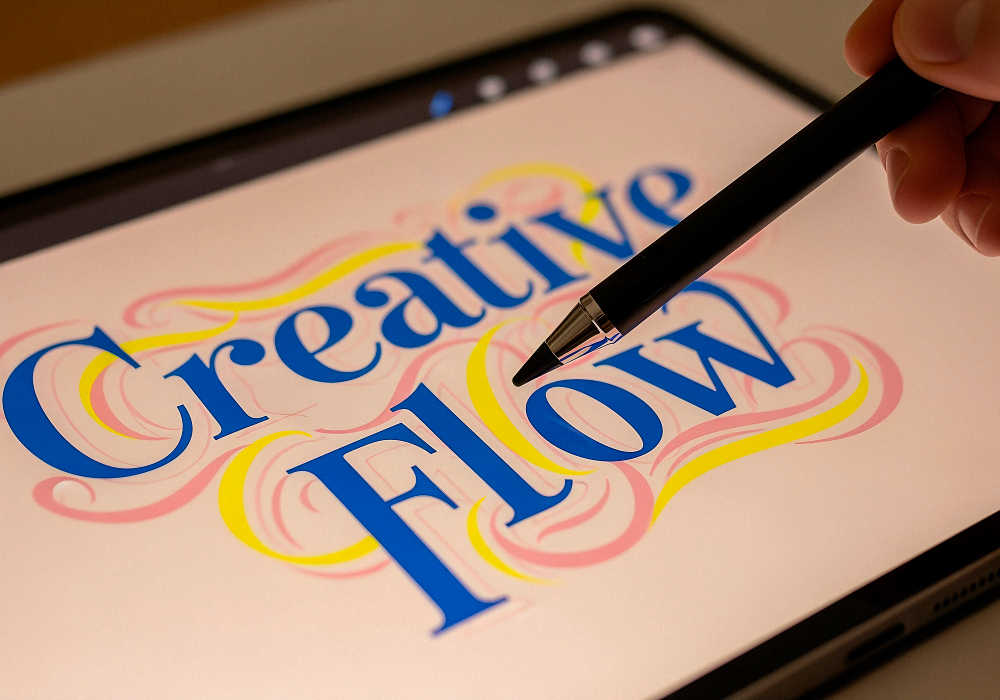
As a business owner, you've likely spent considerable time perfecting your website's SEO strategy. You've researched keywords, built backlinks, and crafted compelling meta descriptions. But have you ever stopped to consider your font choice? It might seem like a minor design detail, but the typography you use can have a surprising impact on your site's performance and, by extension, its search engine ranking.
While fonts are not a direct ranking factor like keywords or site speed, they play a crucial role in user experience (UX). Google pays close attention to how users interact with your site. If visitors find your content difficult to read, they are more likely to leave quickly, sending negative signals to search engines. A well-chosen font enhances readability, keeps users engaged, and contributes to a positive overall experience, which indirectly boosts your SEO.
This post will explore the relationship between fonts and SEO. We'll cover how typography influences user engagement, which fonts are best for web performance, and provide actionable steps to optimize your font choices. By the end, you'll understand how to select and implement fonts that not only look great but also support your SEO goals.
How Fonts Influence User Experience and SEO
The primary way fonts affect SEO is through their impact on user experience. Google's algorithms are designed to reward websites that provide value to users. Key metrics like bounce rate, time on page, and dwell time are all indicators of user satisfaction. If your typography makes it hard for people to consume your content, these metrics will suffer.
Readability and Engagement
The most important quality of any font is its readability. If users have to squint or strain their eyes to read your text, they won't stick around for long. This increases your bounce rate—the percentage of visitors who leave after viewing only one page. A high bounce rate tells Google that your page isn't meeting user needs, which can negatively affect your rankings.
Conversely, a clean, legible font makes your content accessible and easy to digest. When users can read comfortably, they are more likely to stay on your page longer, read more of your content, and interact with your site. This increased engagement signals to search engines that your website provides a quality experience, which can lead to better visibility in search results.
Mobile-Friendliness
With more than half of all web traffic coming from mobile devices, having a mobile-friendly website is essential for SEO. Font choice is a significant part of mobile design. Fonts that look great on a desktop monitor may be unreadable on a small smartphone screen.
Choosing a responsive font that scales well across different screen sizes is critical. Illegible text on mobile devices leads to a poor user experience, causing mobile users to abandon your site. Since Google prioritizes mobile-friendliness as a ranking factor, a font that hinders your mobile UX can directly harm your SEO efforts.
How Fonts Affect Website Performance
Beyond readability, fonts can also impact your website's loading speed, which is a confirmed Google ranking factor. A slow-loading site frustrates users and can lead to lower rankings.
Web Fonts and Page Load Speed
Many websites use custom web fonts to achieve a unique brand identity. While these fonts can be visually appealing, they often come at a cost to performance. Each custom font your site uses must be downloaded by the user's browser, adding to the overall page size and increasing load times. If you use multiple font styles and weights (e.g., regular, bold, italic), each one requires a separate file download, further slowing down your site.
Web-Safe Fonts vs. Google Fonts
To balance aesthetics and performance, you have a few options for sourcing your fonts.
- Web-Safe Fonts: These are fonts like Arial, Times New Roman, and Verdana that come pre-installed on most operating systems. Because they are already on the user's device, they don't require any extra downloads, making them the fastest option. However, the selection is limited, which can make it difficult to create a distinct brand look.
- Google Fonts: Google offers a vast library of free, open-source fonts optimized for the web. These fonts are hosted on Google's powerful servers and are delivered via a content delivery network (CDN), which helps ensure fast delivery. While they still require a download, they are generally a much better performance choice than self-hosting custom fonts.
- Self-Hosted Fonts: You can also purchase a license for a premium font and host the files on your own server. This gives you complete control but can be the slowest option if not implemented correctly. Proper optimization, such as using modern font formats like WOFF2 and limiting the number of styles, is crucial.
How to Optimize Fonts for SEO
Now that you understand the connection between fonts, user experience, and performance, here are some practical steps to optimize your website's typography for SEO.
Prioritize Legibility Above All
When selecting a font, your top priority should always be readability.
- Choose Sans-Serif for Body Text: For long blocks of text, sans-serif fonts like Open Sans, Lato, or Roboto are generally easier to read on screens than serif fonts.
- Ensure Adequate Font Size: A font size of at least 16px is a good starting point for body text. This ensures your content is comfortable to read on both desktop and mobile devices.
- Use Sufficient Line Spacing: Proper line spacing (also known as leading) improves readability by preventing text from feeling cramped. A line height of around 1.5 times the font size is a common best practice.
Limit the Number of Fonts and Styles
To keep your page load times fast, be mindful of how many different fonts you use.
- Stick to Two Fonts: A good rule of thumb is to use one font for headings and another for body text. This creates a clear visual hierarchy without slowing down your site.
- Load Only the Styles You Need: If your design only uses the regular and bold weights of a font, don't load the italic, light, and semi-bold versions. Each style adds to your page's weight.
Use Modern Font Formats
If you are self-hosting fonts, make sure to use modern, compressed formats. The WOFF2 (Web Open Font Format 2) format offers the best compression and is supported by all modern browsers. It can significantly reduce font file sizes compared to older formats like TTF or OTF.
Leverage Browser Caching
Instruct browsers to store font files locally after the first visit. This is known as browser caching. When a user returns to your site, their browser can load the fonts from its cache instead of re-downloading them, leading to much faster load times on subsequent visits. This is often handled automatically when using a service like Google Fonts.
Ready to Elevate Your SEO Strategy?
While font selection may not be the first thing that comes to mind when you think of SEO, it is an undeniable part of the user experience puzzle. A readable, fast-loading font keeps visitors on your site longer, reduces bounce rates, and sends positive signals to Google. By choosing your fonts wisely and optimizing their delivery, you can enhance your website's design and support your long-term SEO success.
Optimizing your website for search engines involves many moving parts, from technical details to content strategy. If you need professional guidance to ensure every aspect of your site is working to attract and engage customers, REK Marketing & Design can help. Contact us today for more information on our comprehensive SEO services.